

News
Designing mobility for everyone: Why diverse perspectives matter in transportation technology
An interview with Trisha Tunilla, SVP Global Marketing & Communications, and Cecilie Hay Wiig, Global Director People & Culture at Q-Free
Mobility systems quietly choreograph daily life.
They determine how quickly someone can reach a hospital.
Whether a parent can get from daycare to work efficiently.
How safely pedestrians cross an intersection at night.
How reliably buses run in peak and off-peak hours.
At Q-Free, we build technology that helps manage that movement—from advanced traffic signal control to barrier-less tolling. The technology may be complex, but its impact is deeply human—and because people move through cities differently, the teams shaping those systems must reflect that diversity.
The intelligent transportation industry has historically been male-dominated, with most estimates placing female participation at roughly 15-20% of the workforce. This is notable given that women make up half the population and, in many regions, the core users of public and active transport.
Part of this reflects the broader STEM pipeline: women account for about one-third of STEM graduates globally, and closer to one in five in engineering and computer science — the disciplines that feed into transportation technology roles.
These numbers matter. Perspective shapes questions, questions shape assumptions, and assumptions shape systems.
We sat down with two female leaders at Q-Free, Trisha Tunilla, SVP Global Marketing and Communications, and Cecilie Hay Wiig, Global Director of People and Culture, to talk about why diversity in mobility technology is both a business imperative and a societal responsibility.
Why is diverse representation in traffic tech so important?
“If we’re still asking whether representation matters, it tells me it isn’t embedded yet,” says Trisha Tunilla. “The better question is: what are we missing when certain perspectives aren’t in the room?”
She points to well-documented examples across transportation.
“For decades, crash test regulations centered on male-modeled crash-test dummies. Female dummies were often scaled versions, placed in passenger seats rather than the driver’s seat. This wasn’t malicious – it was a default assumption. But default assumptions can create blind spots, and in this case, those blind spots had measurable safety consequences.”
The lesson extends beyond vehicle safety.
“Mobility patterns differ,” Trisha continues. “Women are more likely to rely on public transport and active transport like walking. Their travel often involves complex, multi-stop journeys referred to as ‘trip-chaining’ linked to work, childcare, and errands. Traditional commuting patterns that focus primarily on peak-hour data, don’t always capture those realities.”
Cecilie Hay Wiig adds, “Diversity goes beyond gender. Age, ethnicity, disability, socioeconomic background, and geography all change how we see and experience problems. Intersectional teams challenge assumptions, ask different questions, and help identify missing data. That’s how you improve decisions.”
“We help people move from one place to another,” Trisha explains. “Signal timing plans, road user charging strategies, connected vehicle integrations—these influence safety, accessibility, and reliability every day. When the teams building them reflect the diversity of those using them, we catch gaps earlier and design for real‑world use.”
Diversity is often discussed in principle. How does Q-Free approach it in practice?
“Our teams must reflect the societies and markets in which we operate,” Cecilie says. “You can’t build solutions for a global customer base with a narrow internal perspective.”
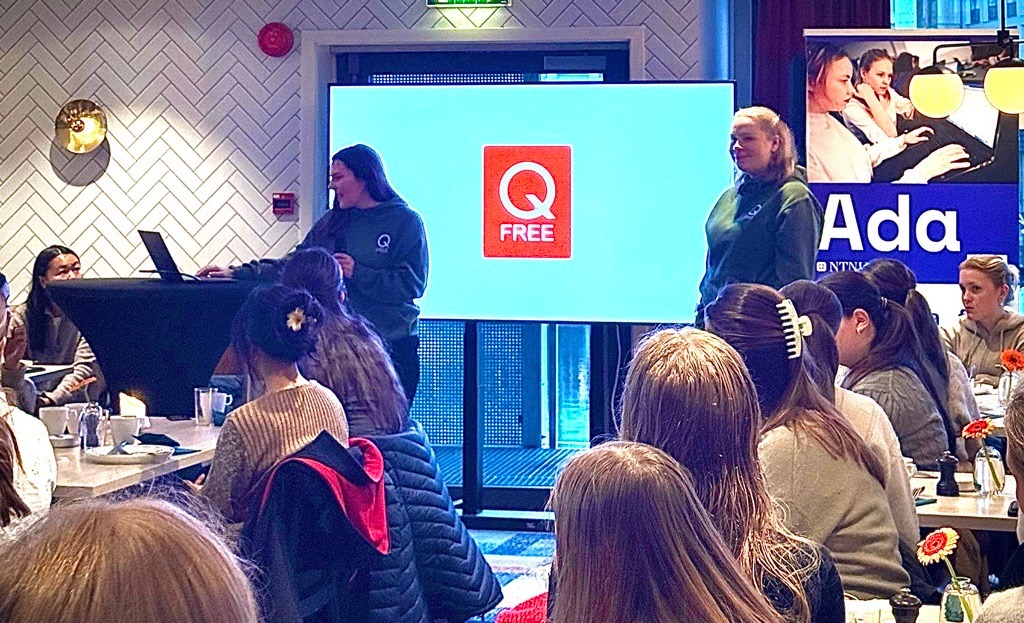
She said Q-Free supports initiatives that encourage more talent to enter and thrive in STEM. In Norway, the company has a Summer Workcation program that gives students hands-on experience with real-world technology projects. Q-Free also collaborates with ADA NTNU at the Norwegian University of Science and Technology in Trondheim, which promotes gender balance in technology programs with historically low female representation. Recently, two female colleagues participated in an ADA NTNU seminar, sharing insights into their roles in ITS and offering visible examples of career pathways within mobility technology.
“Programs like this expose students to meaningful STEM projects and help attract the next generation of talent, by highlighting not only the technology itself, but the impact of the technology,” Cecilie says.
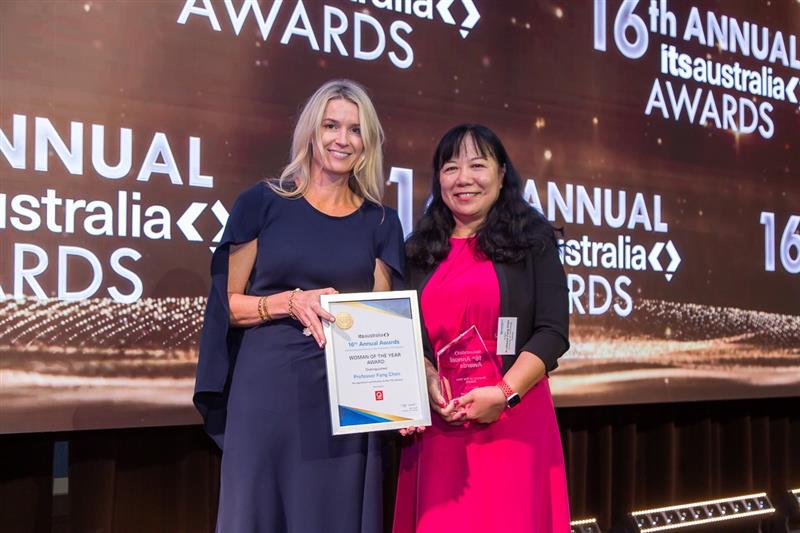
The company also sponsors the ITS Australia Woman of the Year Award, recognizing women shaping the future of intelligent transport. This year’s recipient, Professor Fang Chen, is a globally recognized leader in intelligent transport systems and data science.
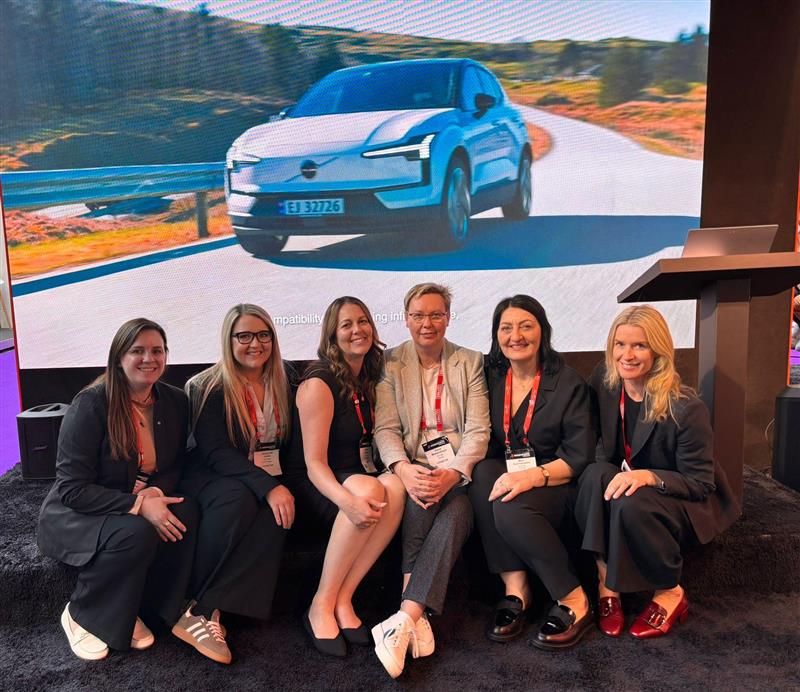
“These initiatives matter because visibility matters,” Trisha says. “Technology roles are often marketed around the ‘cool factor’ of innovation. But transport technology is also about impact – improving safety, increasing access, and strengthening communities. That human element expands who sees themselves in this industry.”
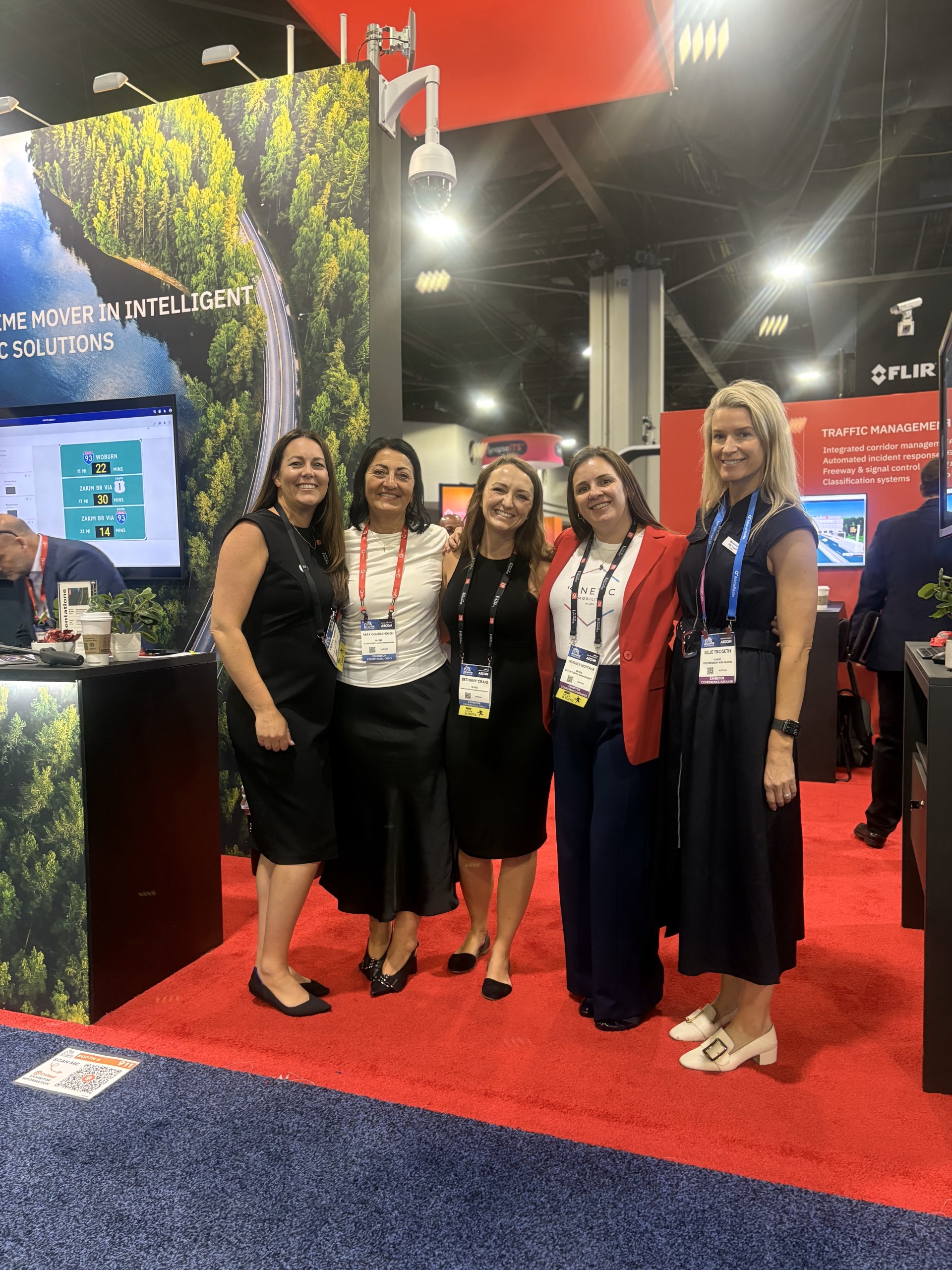
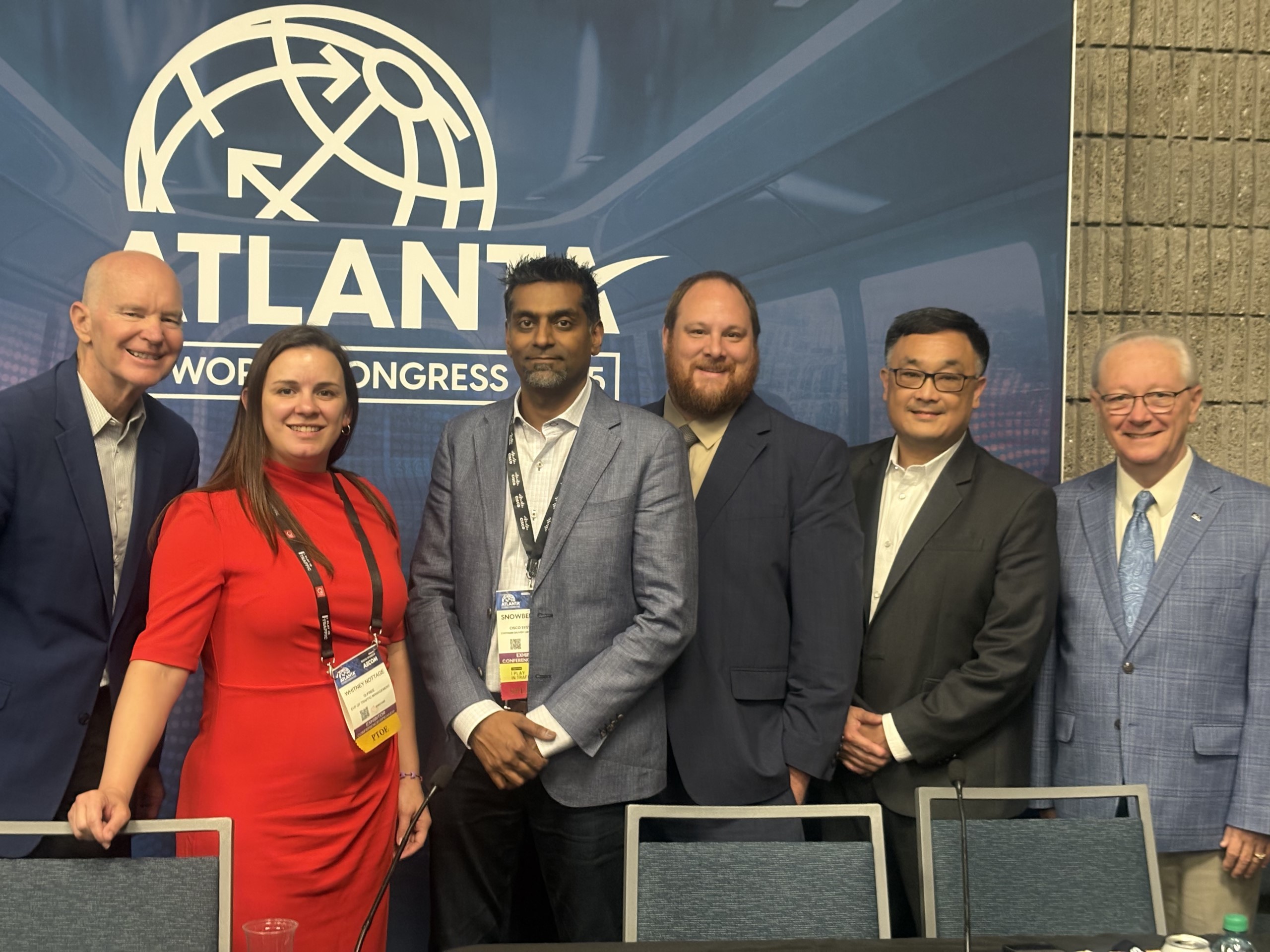
Diversity is also reflected in Q-Free’s leadership. The company’s EVP of Traffic Management, Whitney Nottage, is an engineer by training. And in 2024, our VP of Asia Pacific , Silje Troseth, became the first female President of ITS Australia.
“We don’t have to look externally to find inspirational female role models,” Trisha says. “Q-Free has a strong mix of diverse colleagues who show how varied viewpoints strengthen both our products and our culture.”
Support for this approach begins at the top.
“Innovation doesn’t thrive in echo chambers,” says CEO Mark Talbot. “We are fortunate to have a global team that brings together diverse perspectives and backgrounds – essential to solving today’s mobility challenges and crafting innovative solutions to address emerging trends like road user charging.”
“When leadership sees diversity not as a social trend but as a business imperative,” Cecilie continues, it shapes how decisions are made and how opportunities are created.”
Are we seeing progress in the industry — and at Q-Free?
“Yes,” says Trisha. “The percentage of women in STEM overall, and awareness of diversity in transportation is stronger than ever. But in ITS specifically, female representation remains relatively low. So, there’s still meaningful work to do.”
Cecilie agrees. “In a competitive technology industry, attracting and retaining diverse talent is essential. Younger generations are paying attention, with many saying diversity and inclusion factor into where they choose to work. For us, that means continuing to invest in mentorship, early-career engagement, and visible technical role models — helping more people see a future for themselves in this industry.”
Trisha adds, “Naming the work helps us stay accountable.”
Lastly, what advice would you offer for women (and anyone) considering a career in STEM and mobility?
Cecilie is direct: “By joining STEM in ITS, you’re not just choosing a career—you’re influencing how people access opportunity: jobs, education, healthcare, community. It’s meaningful work.”
Trisha agrees, “If you want to build technology that changes daily life, mobility is extraordinary. We need diverse thinking from engineers, data scientists, UX designers, analysts, and communicators to shape those systems.”
“We don’t claim to be experts in diversity theory,” Trisha concludes. “But we know this: the systems connecting people to opportunity are stronger when the people building them reflect the communities they serve. When mobility works for a broader range of users, it works better for everyone. As our industry becomes more connected, more digital, and more data-driven, inclusion isn’t optional — it’s foundational.”
Interested in careers at Q‑Free? Explore our open roles or send us your resume.